For your trade
The folder in the cupboard is the weakest part of the clinic
Consent on paper, photographs on a phone, history in somebody’s memory. All three fail on the day you need them, which is the day something is disputed.
Most clinics are run by careful people and still keep their records badly — not through negligence, but because the record got split across a filing cabinet, a phone camera roll and a diary, and no single part of it is wrong enough to force a change.
Then one day somebody asks a question about a treatment from eighteen months ago, and all three parts have to be assembled under pressure.
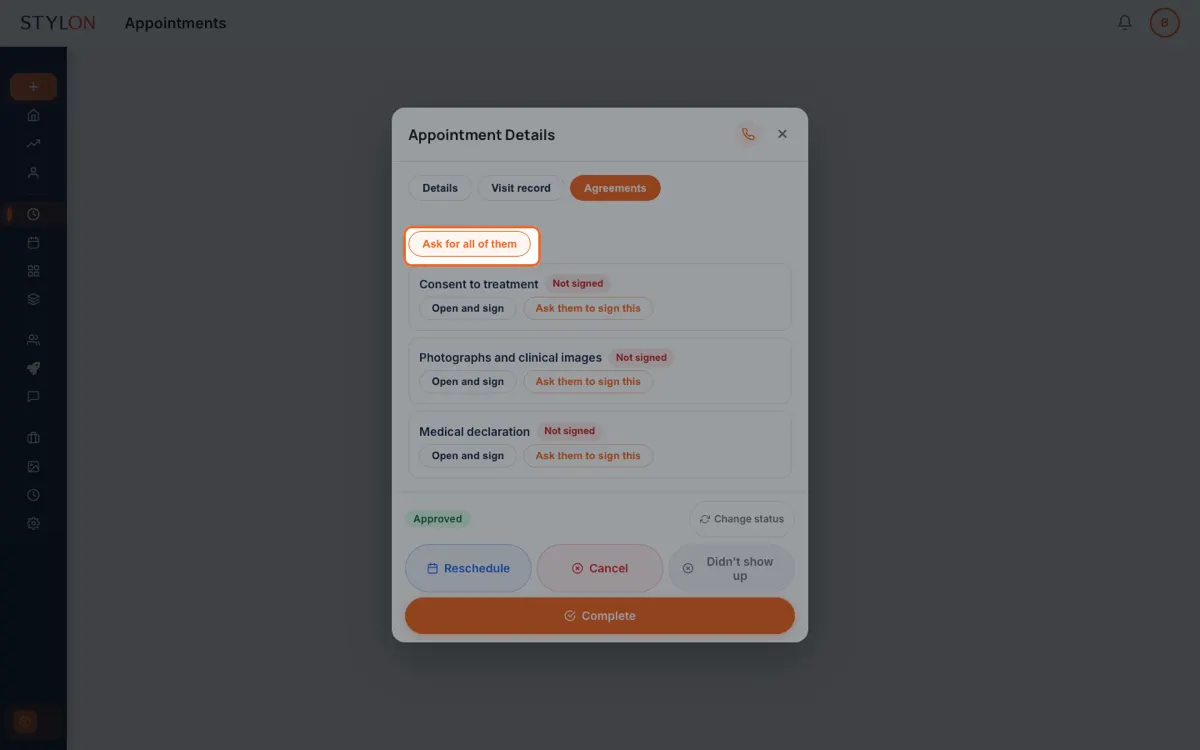
Consent that can actually be produced
A signed form is only worth anything if it can be found, matched to the right person and the right date, and shown. On paper that is a drawer and a hope. Attached to the client and the treatment, it is a few seconds — and the client can be sent their own copy without anybody photocopying anything.
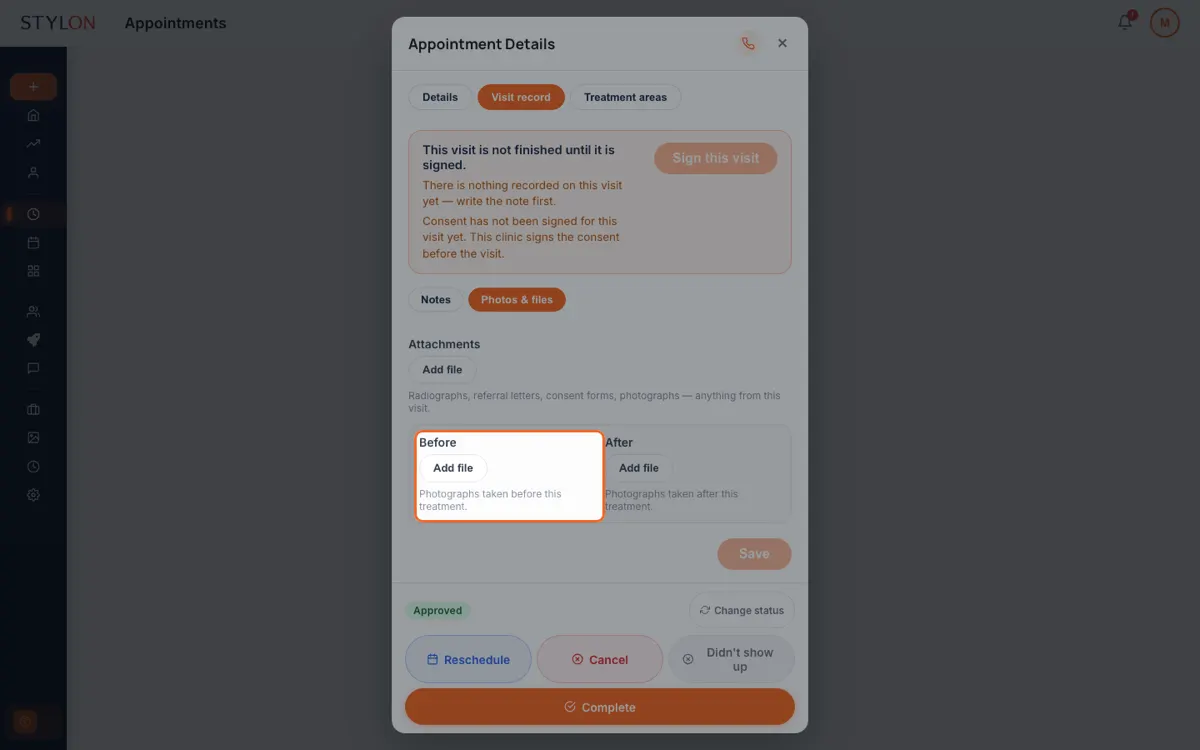
Photographs that mean something
Before-and-after images on a personal phone are a problem twice over: they are hard to find, and they are sitting somewhere they should not be. On the client’s record, in order, next to the treatment they belong to, they become the single most useful thing in the file — for showing progress, for settling a disagreement, and, with permission, for showing the work to someone deciding whether to book.
The history is the clinical work
What was used, at what strength, on which area, and how the skin responded last time is not administration. It is the treatment. A practitioner reading that in ten seconds at the start of an appointment is doing better work than one reconstructing it from memory, however good that memory is.
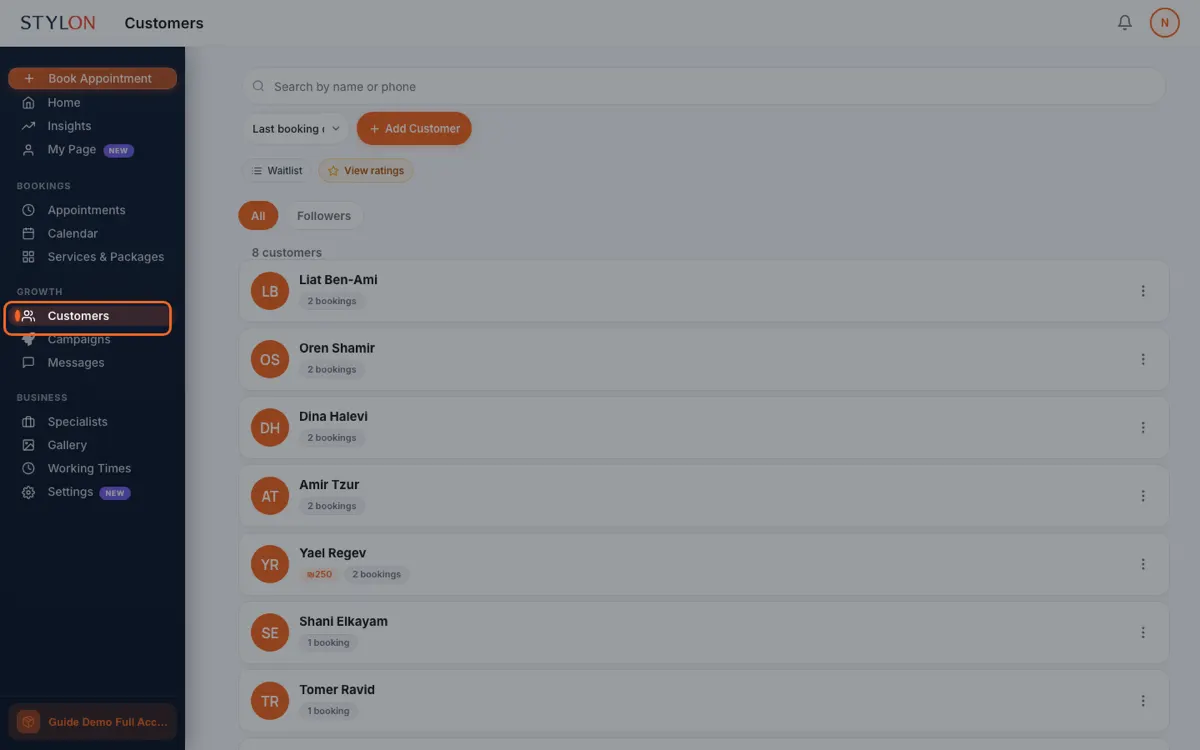
And it belongs to the clinic, not to a person
When records live in one practitioner’s phone and notebook, the clinic cannot cover for them when they are ill, cannot hand a client over, and loses the lot if they leave. Records kept properly are the difference between a clinic and several people working in the same building.
What changes
Faster appointments, a file you can stand behind, and a clinic that still knows what it did after the person who did it has gone home.