
For your trade
The practice where nothing is in four places at once
A patient file in one program, the diary in another, the payments in a third and the recalls in somebody’s head. Every one of those gaps costs a morning.
A dental practice is not a hard business to run. It is a business made of a great many small things that must not be dropped — and most practices are dropping them not through carelessness, but because the pieces live in four different places that do not speak to each other.
The record has to follow the patient
Somebody comes in for a check-up. What was done last time, what was recommended and declined, what they are allergic to, which tooth was the problem, what the X-ray showed, what the consent said — all of it should be on the screen when they sit down, not in a folder in a cupboard or a note in a different program.
When it is not, the practice pays twice: once in the minutes spent looking, and once in the treatment that gets re-explained because nobody could prove it was explained the first time.
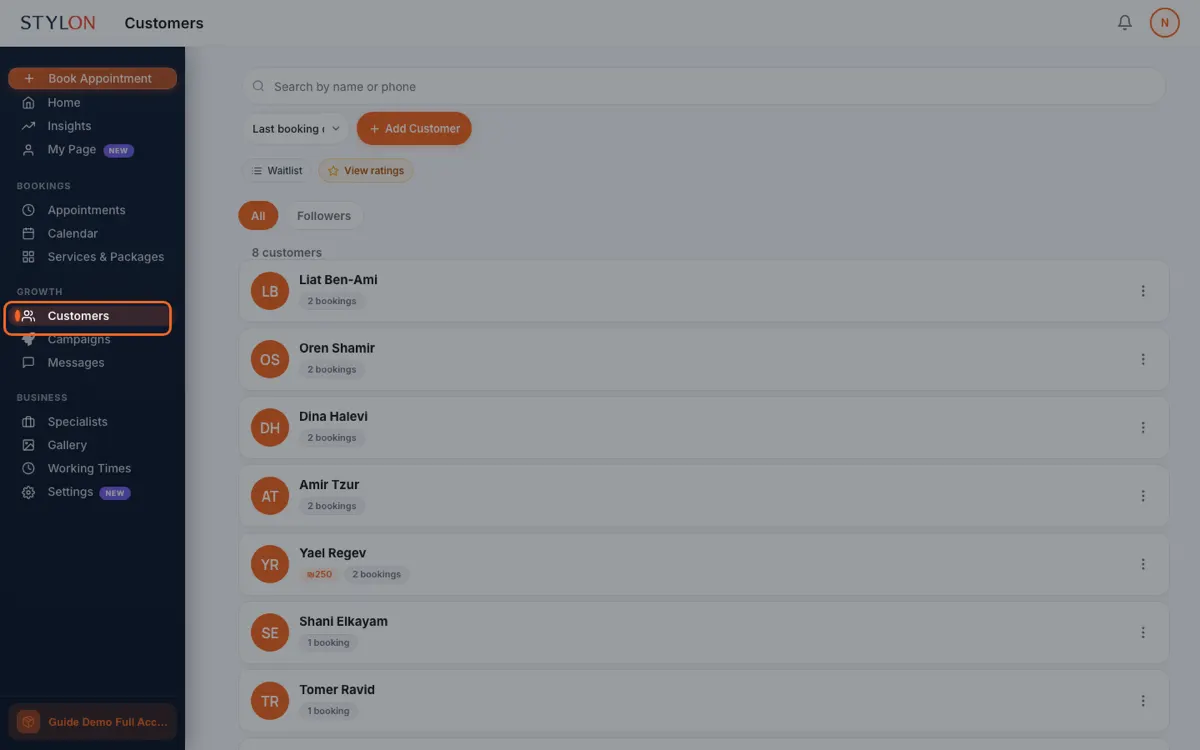
A treatment plan is a sequence, not an appointment
A crown is not one visit. It is a consultation, a preparation, a wait while something is made, and a fitting — in that order, with gaps that matter. A diary that only understands one-hour slots makes the receptionist hold the sequence in their head and book it four separate times, and every one of those is a chance for the patient to fall out of the plan halfway through.
Half-finished treatment is the most expensive thing in a practice. The chair time was spent, the lab was paid, and the money is still outstanding.
The recall is the whole business
Every patient has a date six months out when they should be seen again. Nobody remembers theirs. If the practice does not, that patient quietly becomes a former patient, and the practice buys a new one through advertising to replace someone it already had.
A system that knows who is due, and says so without being asked, is worth more than any marketing a practice ever buys.
Money, quietly and without arguments
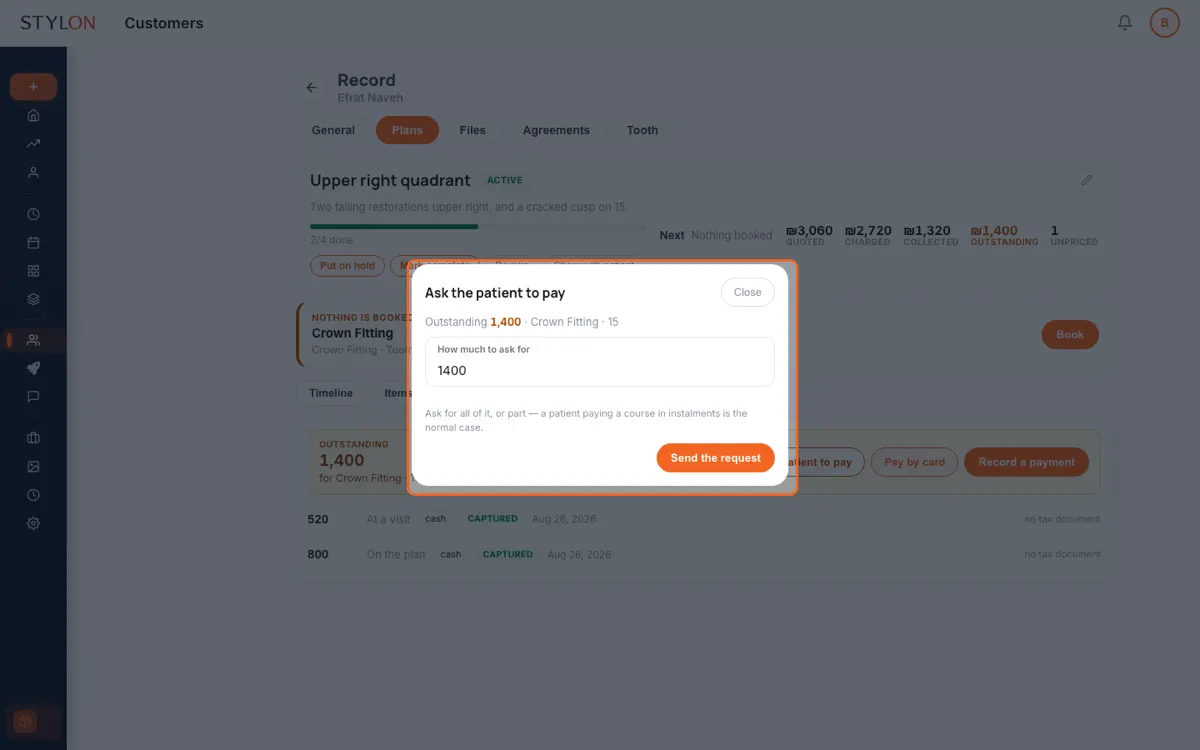
Treatment that runs over several visits means part-payments, outstanding balances and the awkward conversation at the desk. When what has been paid is attached to the plan rather than to a receipt book, that conversation is a sentence instead of a search.
What changes
Shorter mornings, fewer patients who vanish between stages, and a file you could hand to a colleague without apologising for it. The clinical work was never the problem. The paperwork around it was.