
Choosing software
A booking app runs one hour of your week
Most tools handle the appointment. The money, the stock, the courses and the people who never came back are left to you, and they are where the business actually lives.
Ask what a booking app does and the answer is honest enough: it shows your free times, takes the booking, and sends a reminder. That is genuinely useful, and for a while it is enough.
Then look at what happened around that appointment. Someone bought a product on the way out. Someone paid half now and half at the desk. Someone booked a course that runs over six weeks. Someone cancelled at nine at night and the chair stayed empty. Someone has not been back in five months and nobody noticed.
None of that is the appointment. All of it is the business.
What usually happens instead
You end up with a booking app, a spreadsheet for stock, a card reader that does not know who bought what, a separate list for messages, and your own memory for who is due back. Each one works. Together they do not, because none of them can answer a question that crosses two of them.
How much did this client spend with you last year, across treatments and products? Which service is actually profitable once you count the hour it blocks? Who booked once in March and never again? These are the questions that change what you do next, and no single tool in that stack can answer them.
What Stylon runs
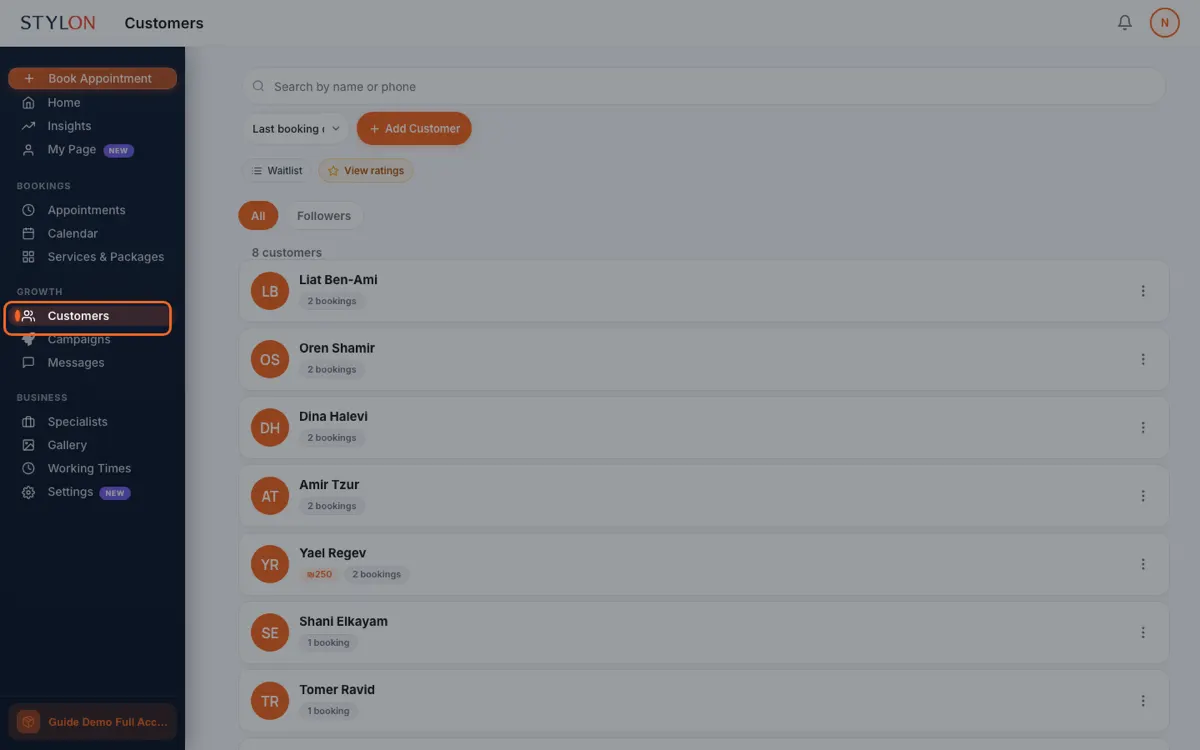
One system, one diary, one customer record, one set of numbers:
- Online booking, the calendar, your team's hours, rooms and equipment
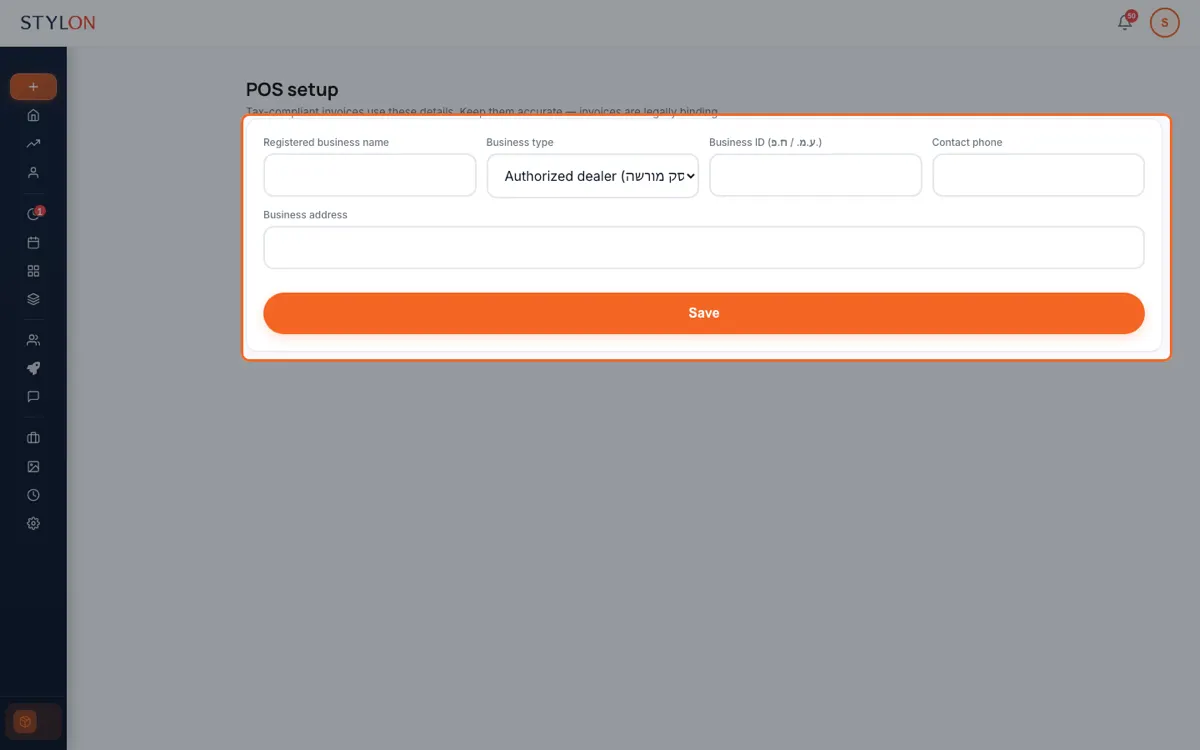
- Deposits, payment links, split payments and a till at the desk
- A product shop with variants, stock and barcode scanning
- Courses and workshops, with seats that belong to an intake
- Client records, treatment plans, agreements and consents
- WhatsApp and SMS from your own number, reminders and campaigns
- Reviews, your public page, and the ads that point at it
- Nightly-rate properties, for businesses that let rooms as well
You do not have to use all of it. The point is that when you do need the next piece, it already knows who your customers are.
The question worth asking
Not “does it take bookings” — everything takes bookings. Ask what happens the day you start selling a product, running a course, taking a deposit, or wanting to know which clients have drifted away. If the answer is “another tool”, you have found the ceiling before you have paid for the first month.