What Stylon does
Money at the moment of booking changes who turns up
Not because you keep it. Because a booking somebody has paid against is a booking they treat as real.
Most owners resist taking money up front, and the reason is always the same: it feels like distrust, and they are afraid it will cost them customers. Both things are worth taking seriously, and both turn out to be smaller than they look.
What a deposit does is not financial. It is that it makes the booking real in the customer’s mind. Everything after that follows from it.
It ends the conversation nobody wants
Without it, every late cancellation forces a decision: do you charge, do you let it go, do you have an argument with someone you would like to see again. You end up letting it go, every time, and the policy you have on paper quietly does not exist.
With it, the terms were visible when they booked and agreed when they paid. Nobody has to be the villain afterwards, which is the actual reason most policies fail.
Use it where it is warranted
A twenty-minute appointment does not need one. A three-hour booking, a treatment with product ordered in, a first visit from somebody you have never met — those do. Setting it per service, as an amount or a share of the price, is the difference between a policy clients find reasonable and one that sends them elsewhere.
Paying in advance for more than one visit
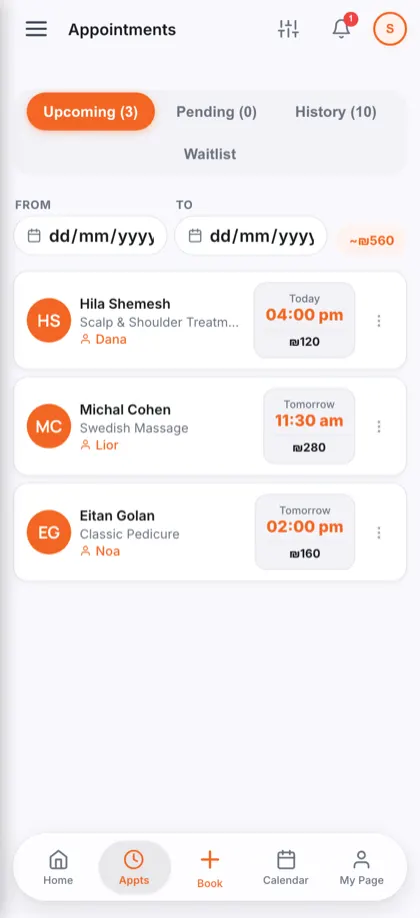
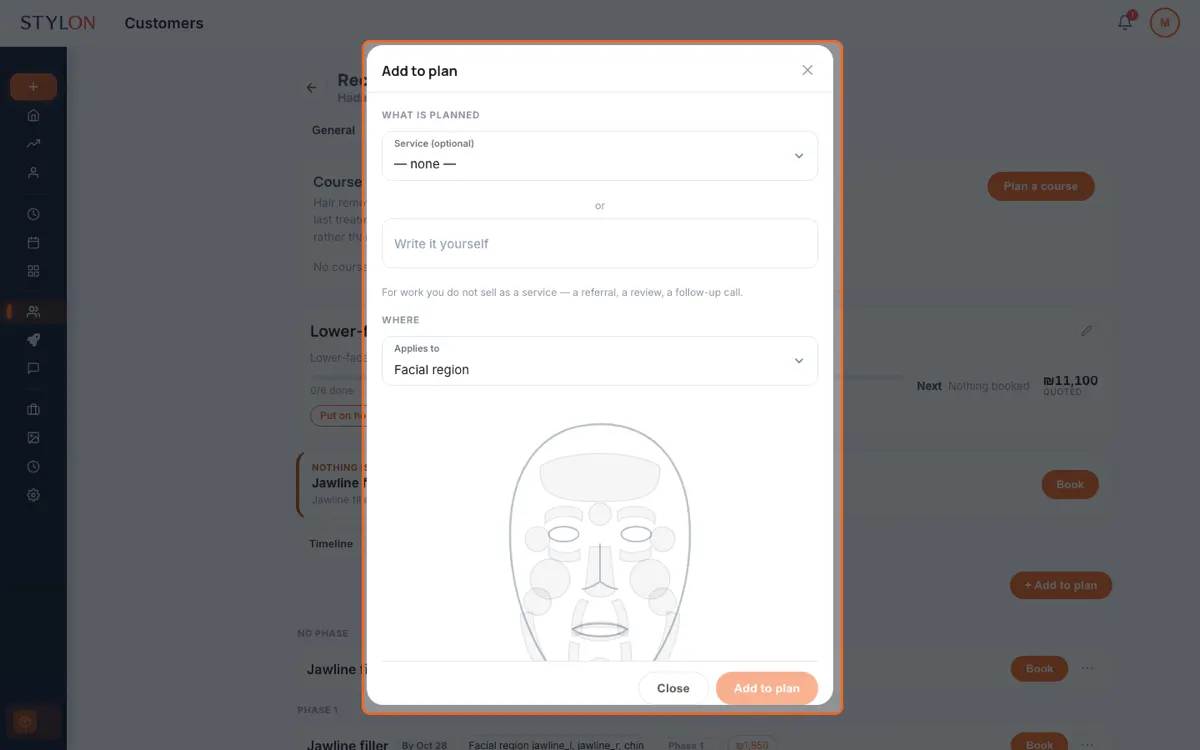
A course of six sessions, paid once, is better for both sides. The client gets a price for committing, and the business gets the money at the start and a customer with six reasons to come back. What makes it work is that the system knows three are used and three remain — without that, prepaid packages become a shoebox of arguments.
Make paying easy or none of this works
All of it depends on paying being faster than not paying. A link that opens, takes a card or a phone wallet in a few seconds and confirms immediately gets paid. Anything that asks someone to type a long number while standing in a shop does not, and you are back to taking it at the desk.
What changes
Fewer empty slots, less money owed, and a cancellation policy that exists in practice rather than only on the page.